

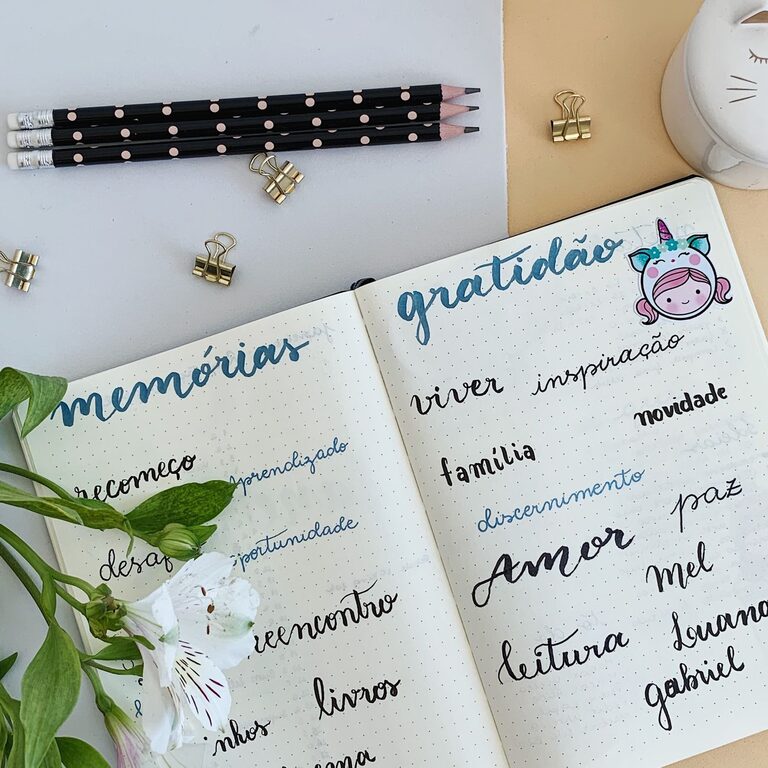
Starting a gratitude journal is a simple yet powerful way to boost your mood, reduce stress, and develop a more positive outlook on life. By regularly writing down things you are thankful for, you train your mind to focus on the good, even during challenging times. If you’re new to gratitude journaling and are wondering how to begin, this guide will walk you through the process step by step.
What Is a Gratitude Journal?
A gratitude journal is a personal diary where you record things, people, or experiences you appreciate. Unlike a regular journal that may cover many topics, a gratitude journal focuses specifically on positive aspects of your day or life. This practice encourages mindfulness and reflection.
Benefits of Keeping a Gratitude Journal
Before diving into how to start one, it helps to understand why it’s worth your time:
– Improves mood: Focusing on positive experiences can increase feelings of happiness.
– Reduces stress: Reflecting on gratitude helps lower anxiety and tension.
– Strengthens relationships: Noticing and appreciating others can deepen connections.
– Enhances self-awareness: You become more mindful of your emotions and surroundings.
– Promotes better sleep: Writing about gratitude before bed has been linked to improved sleep quality.
How to Start a Gratitude Journal
Starting a gratitude journal doesn’t require a big commitment or special skills. Here’s a straightforward approach:
1. Choose Your Journal
Pick a notebook, journal, or even a digital tool that you enjoy using. Some prefer physical journals for the tactile experience; others like apps or online documents for convenience. The key is to select something accessible and pleasing to you.
2. Pick a Time That Works
Decide when you will write in your gratitude journal. Common choices include:
– Morning: Sets a positive tone for the day.
– Evening: Helps reflect on the day before sleep.
– Anytime: Whenever you feel grateful or need a mood boost.
Consistency helps, but it’s okay to be flexible as your schedule allows.
3. Start Small and Be Specific
You don’t need to list dozens of things daily. Begin with 3 to 5 items per entry. Specificity makes your gratitude more meaningful. Instead of “I’m thankful for my friends,” try “I’m grateful for the phone call from Sarah today that made me laugh.”
4. Use Prompts If Needed
If you’re unsure what to write about, prompts can help spark ideas. Examples include:
– What made me smile today?
– Who helped me recently?
– What is something beautiful I noticed today?
– What is a simple pleasure I enjoyed?
5. Reflect on Why You’re Grateful
Taking a moment to think about why you appreciate something deepens the effect. For example, if you write “I’m thankful for my morning coffee,” add a note about how it helps you feel calm and ready for the day.
Tips to Keep Your Gratitude Journal Going
Maintaining a gratitude journal is a habit that grows stronger with time. Here are some tips to stay motivated:
– Keep your journal visible: Place it where you’ll see it daily, like your nightstand or desk.
– Set reminders: Use alarms or phone notifications to prompt journaling.
– Combine with other habits: Pair journaling with your morning coffee or bedtime routine.
– Share with others: Sometimes sharing one gratitude entry with a friend or family member encourages accountability.
– Be patient: Some days might feel harder to find things to be grateful for, and that’s okay. Write honestly and gently.
Examples of Gratitude Journal Entries
To help you get started, here are a few sample entries:
– “Today I’m grateful for the warm sunshine during my walk. It lifted my spirits and reminded me of spring.”
– “Thankful for my coworker who helped me solve a problem. Their support made my day easier.”
– “I appreciate the home-cooked meal my partner made tonight. It felt cozy and comforting.”
Alternative Formats for Gratitude Journaling
If writing isn’t your favorite way to express gratitude, try these alternatives:
– Gratitude jar: Write notes of thanks on slips of paper and collect them in a jar. Review when you need a positivity boost.
– Photo journal: Take pictures of things you are grateful for and add captions.
– Voice memos: Record short audio messages about your gratitude moments.
Final Thoughts
Starting a gratitude journal is a simple practice with lasting benefits. It doesn’t require perfection or daily entries at first. The most important part is to begin and make it your own. Over time, you’ll likely find that gratitude becomes a natural part of your mindset, leading to enhanced well-being and joy.
Give it a try today—grab a notebook or open your favorite app, and write down three things you’re grateful for right now. It’s a small step that can make a big difference.