

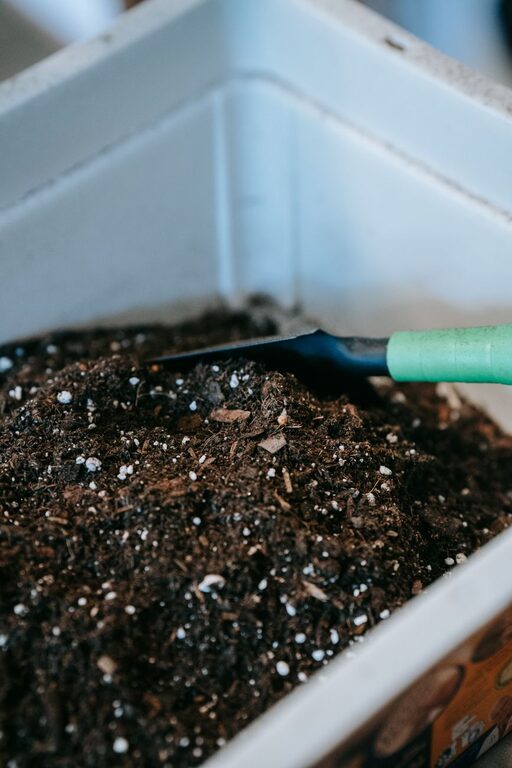
Composting at home is a fantastic way to reduce food waste, enrich your garden soil, and contribute positively to the environment. If you’re new to composting, the process might seem intimidating at first, but with a few simple tips, you can start your own compost bin or pile successfully. This guide will walk you through everything you need to know to begin composting at home with confidence.
What is Composting?
Composting is the natural process of breaking down organic materials like food scraps, leaves, and grass clippings into a rich, dark soil amendment called compost. This nutrient-rich material helps improve soil structure, provides essential nutrients to plants, and supports healthy garden growth.
Why Compost at Home?
– Reduce waste: Composting helps keep food scraps and yard waste out of landfills.
– Save money: Reduce the need to buy commercial fertilizers.
– Improve garden health: Compost enhances soil quality by improving water retention and nutrient levels.
– Support the environment: Composting reduces methane emissions from organic waste in landfills.
—
Beginner Tips for Successful Home Composting
1. Choose the Right Composting Method
There are several composting methods suitable for home use:
– Compost Bin: A contained unit that keeps compost tidy and speeds up decomposition. Available in various sizes and styles.
– Compost Pile: An open pile of organic materials, good for larger yards with space.
– Tumbler Composters: Rotating containers that help mix and aerate compost quickly.
– Vermicomposting: Using worms to break down food scraps indoors, ideal for small spaces or apartments.
Choose the method that best fits your available space, time, and the amount of organic waste you produce.
2. Pick a Good Location
Place your compost bin or pile in a well-drained, shaded, and easily accessible spot in your yard or garden. Avoid placing it directly on concrete or hard surfaces—soil contact allows beneficial organisms and worms to enter and assist the composting process.
3. Balance Green and Brown Materials
Successful composting depends on a balance of:
– Green materials: High in nitrogen (e.g., vegetable scraps, coffee grounds, fresh grass clippings).
– Brown materials: High in carbon (e.g., dry leaves, straw, shredded paper, cardboard).
Aim for about three parts brown to one part green materials. This balance helps the compost break down efficiently and prevents odors.
4. Chop or Shred Large Items
Cutting or shredding larger materials like branches, corn stalks, or cardboard speeds up decomposition by increasing surface area for microbes to work on.
5. Monitor Moisture Levels
Your compost should be about as damp as a wrung-out sponge. Too dry and decomposition slows; too wet and it can smell bad. If it’s too dry, sprinkle water occasionally. If it’s too wet, add more brown materials and turn the pile.
6. Turn and Aerate Regularly
Aeration is essential for compost to decompose quickly and avoid unpleasant odors. Aim to turn your compost every 1-2 weeks, using a garden fork or compost aerator. This mixes the materials, introduces oxygen, and helps maintain the microbial activity.
7. Know What to Compost and What to Avoid
Compostable items include:
– Fruit and vegetable scraps
– Coffee grounds and filters
– Tea bags (check if biodegradable)
– Eggshells (crushed)
– Yard waste (grass clippings, leaves, small twigs)
– Shredded newspaper and cardboard
Avoid composting:
– Meat, fish, and dairy products (attract pests and smell)
– Fats, oils, and greasy foods
– Pet waste
– Diseased plants or weeds with seeds
– Treated wood or coal ash
– Non-biodegradable materials like plastics
8. Be Patient
Composting can take anywhere from a few weeks to several months, depending on conditions such as temperature, materials used, and how often you turn it. Finished compost is dark, crumbly, and smells earthy.
—
Troubleshooting Common Compost Issues
– Smelly compost: Usually too wet or too much green material. Add brown material and turn the pile.
– Slow decomposition: May be too dry, too cold, or not enough nitrogen-rich greens. Add water or greens and turn frequently.
– Pests: Avoid putting meat or oily foods in compost. Use a closed bin if animals are a problem.
– Pile too small: Small piles don’t retain heat well. Aim for at least 3 feet wide and tall.
—
Using Your Finished Compost
Once your compost is ready, you can use it as:
– Mulch around plants to retain moisture and reduce weeds
– Soil conditioner mixed into garden beds to improve texture and fertility
– Potting mix ingredient for containers or seedlings
—
Final Thoughts
Starting a home composting system is straightforward and rewarding. By following these beginner tips, you can turn kitchen scraps and yard waste into valuable compost that nourishes your garden and helps reduce household waste. Remember to be patient and observe your compost regularly, adjusting materials and moisture as needed. Happy composting!